

30 km/h Low-Speed Zones
Safe speeds save lives — the case for 30 km/h across all of Hong Kong's neighbourhoods.

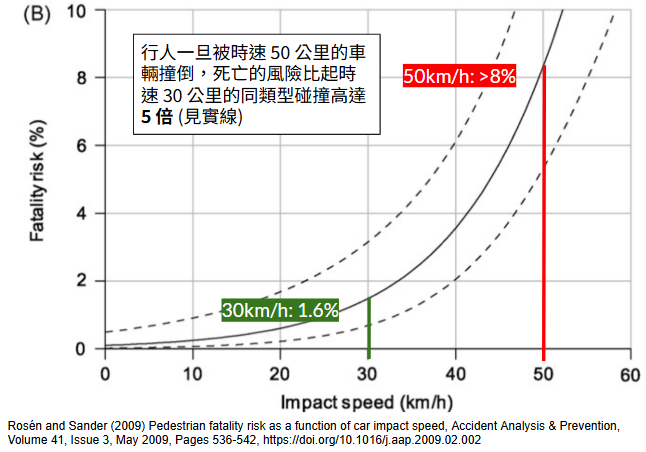
Speed is the single biggest factor in how severe a crash becomes. Research shows a pedestrian struck at 50 km/h is up to five times more likely to be killed than one struck at 30 km/h. 30 km/h is essentially the physical limit of what the human body can withstand in a vehicle impact. Lower speeds give streets a margin for error, give drivers enough time to react and brake, and make neighbourhood streets calm enough for people to walk, cycle and linger with confidence.
We have advocated for 30 km/h to become the default speed limit on Hong Kong's local streets and secondary roads. Following the Transport Department's first trial on Wai Chi Street in Shek Kip Mei in 2020, we worked with Sham Shui Po District Councillors and successfully secured a low-speed zone around Pei Ho Street in July 2024. 30 km/h limits are now also in place around Fa Yuen Street in Mong Kok, Shui Wo Street in Kwun Tong and Ap Lei Chau Main Street.
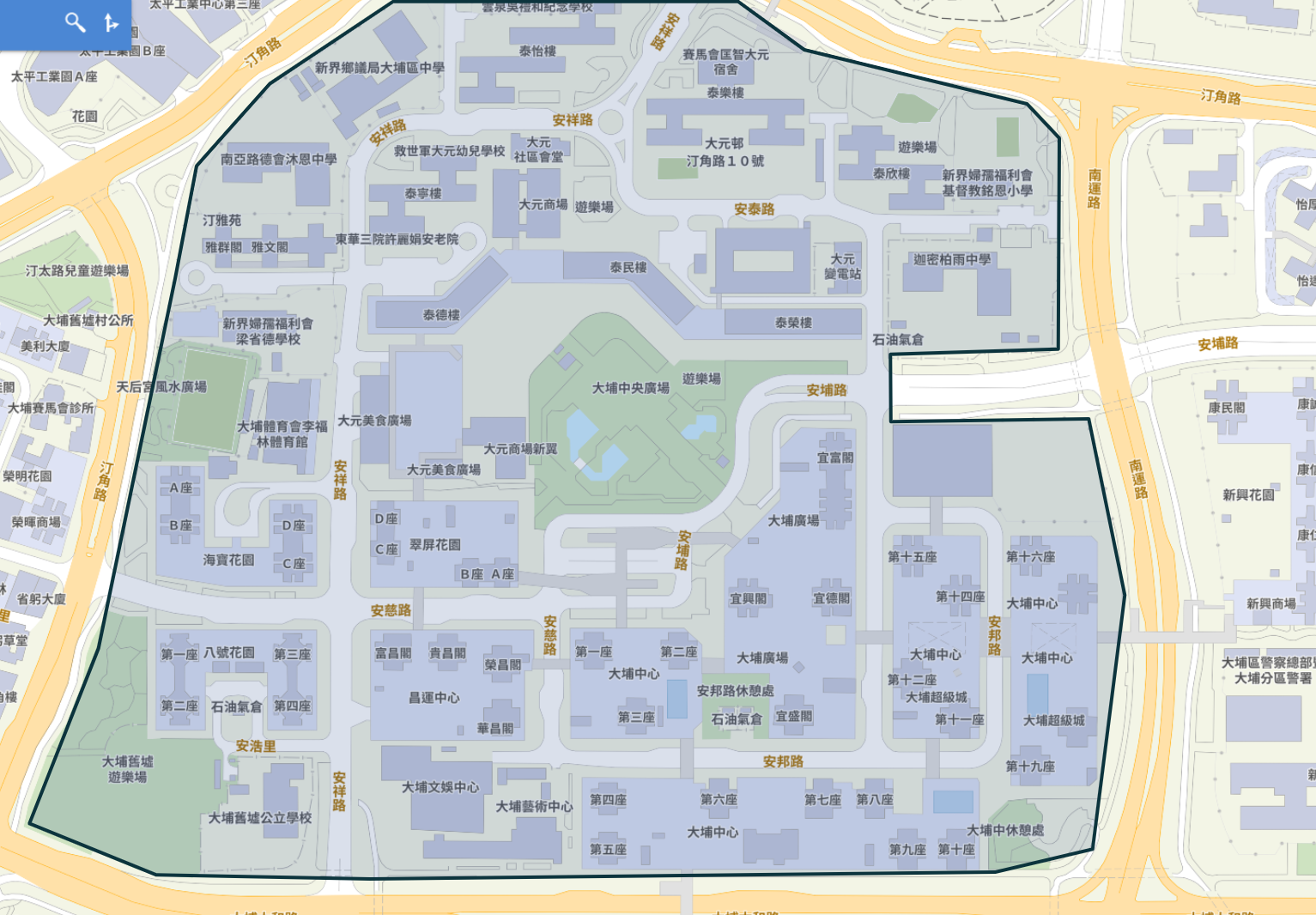
We keep pushing for low-speed zones to be delivered at the scale of whole neighbourhoods rather than piecemeal, one street at a time — now a global consensus in urban planning. We will continue to connect with more community groups and use public communication, advocacy and education to build understanding of low-speed streets, pressing the Government to bring people-oriented street design to more neighbourhoods and keep pedestrians safe.
| Place | Measure |
|---|---|
| Shanghai | The 2016 Shanghai Street Design Guidelines set 30 km/h as the design basis for local branch roads |
| South Korea | "Safe Speed 5030" rolled out nationwide in 2021: 50 km/h on urban roads, 30 km/h on local streets |
| Japan | Since September 2026, the statutory limit on residential roads without a centre line or median fell from 60 to 30 km/h nationwide |
| New York | Citywide default lowered to 25 mph (about 40 km/h) in 2014; legislation passed in 2024 lets the city go down to 20 mph (about 32 km/h) |
| London | 20 mph (about 32 km/h) limits widely applied in central London and across many boroughs |
| Paris | Since 2021, 30 km/h on most streets citywide |
| Wales, UK | Since 2023, a nationwide 20 mph (about 32 km/h) default on street-lit residential streets |
| Spain | Since 2021, a nationwide 30 km/h default on urban roads with one lane in each direction |
Survivable Speeds
At 30 km/h, the vast majority of pedestrians struck by a car survive. The physics of speed and impact is the clearest, most evidence-based lever we have for saving lives.
Streets for People
Calmer traffic makes streets safe enough to walk and cycle comfortably, and for older people to get around with confidence — unlocking the public life and neighbourhood vitality that excessive speed shuts down.
Whole Neighbourhoods
Real change comes from area-wide planning, not isolated trial streets. We advocate for rollout at the scale of whole neighbourhoods, paired with physical traffic-calming design, to build street safety standards fit for today.

People first, starting with safe speeds.
Learn about our work and help us reshape Hong Kong's streets.
Visit our site