

Reforming Truck Direct Vision Standards
Direct vision saves lives — Hong Kong should tighten safety standards for medium and heavy vehicles.

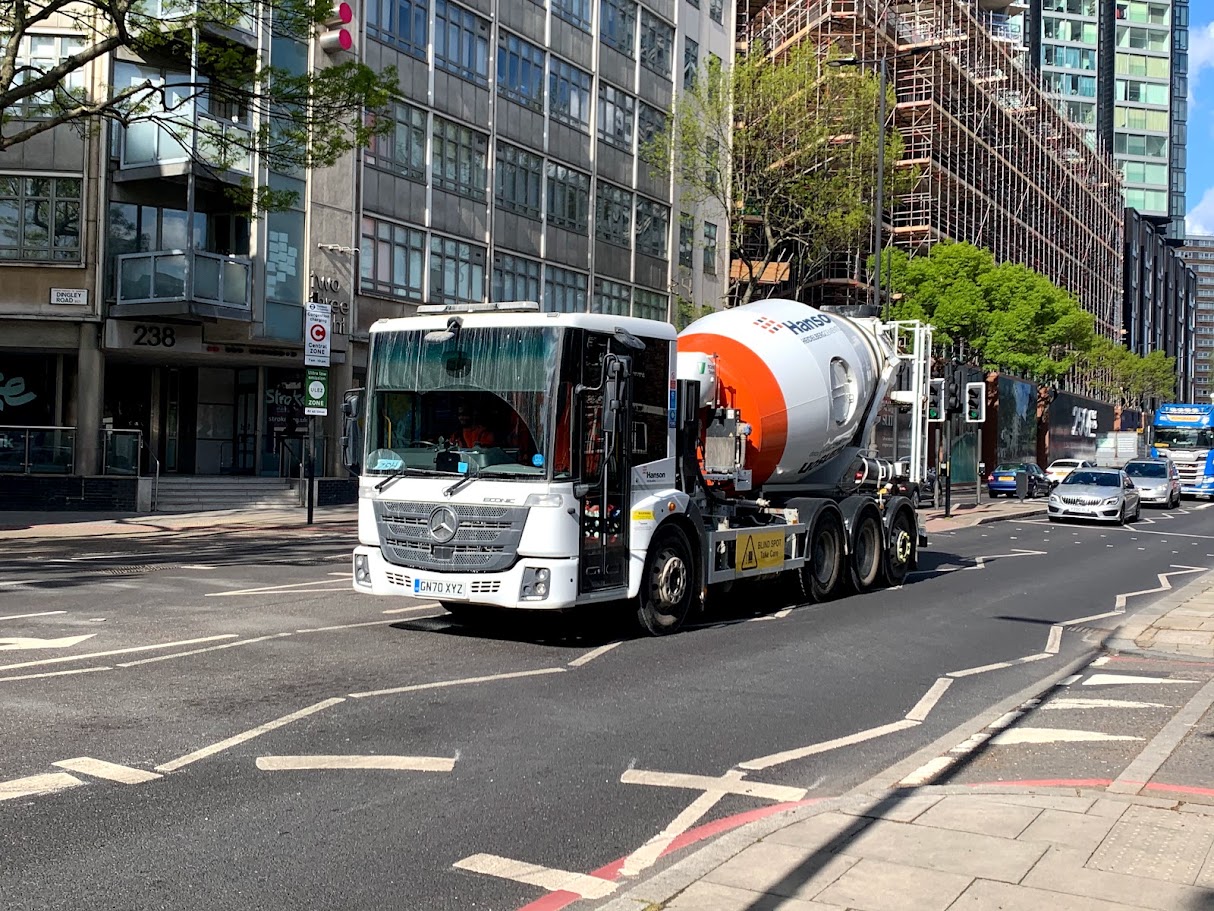
Truck blind spots are one of the deadliest threats to road workers and pedestrians. Conventional medium and heavy goods vehicles sit high off the ground, leaving drivers to monitor their surroundings through several mirrors — a set-up that not only limits what they can see, but also raises cognitive load and slows reaction times.
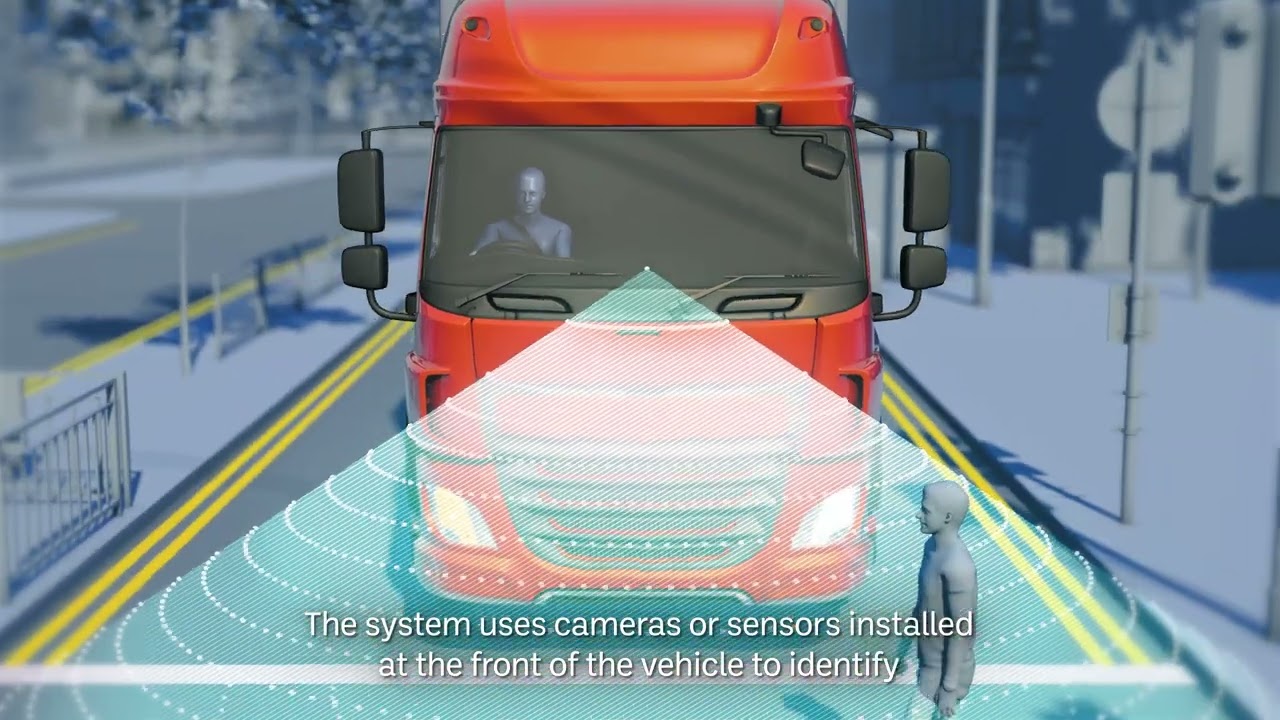
Most private cars now come with sophisticated sensors and cameras as standard, yet the in-service medium and heavy trucks with the deadliest blind spots rarely carry that equipment — and the government has never comprehensively regulated it. After a series of serious collisions between medium and heavy trucks and pedestrians in recent years, we have pushed for the authorities to go beyond publicity campaigns and better mirrors: Hong Kong should actively bring in direct-vision trucks, and require the existing fleet to retrofit active blind-spot warning systems.
Raising vision standards for large vehicles is now a global road-safety consensus. London introduced its Direct Vision Standard back in 2021, banning non-compliant heavy vehicles from the city and cutting related fatal collisions by 62%. From July 2024 the EU requires all newly registered heavy vehicles to carry blind-spot and moving-off warning systems. In Asia, Taiwan has mandated vision-assist systems on all in-service large vehicles since 2020, tied to annual inspections, and Japan is following the EU in implementing the relevant UN direct-vision safety regulation.
Reaction Time Counts
A direct-vision cab buys drivers the crucial reaction time they need when something happens suddenly, and with it a much shorter braking distance. Designing around the physical limits of the vehicle is the clearest, most powerful lever we have for making trucks safer.
Protecting the Most Exposed
Street cleaners and other road workers have little protection and often work alone in live traffic, making them among the most vulnerable in a collision. Bringing active safety technology and direct-vision design into medium and heavy trucks removes that systemic danger at source, so workers, pedestrians and cyclists can share road space safely.
Comprehensive Safety Standards
Real change cannot wait for fleet turnover — commercial trucks in Hong Kong stay on the road for well over a decade. Alongside rules for newly registered vehicles, we advocate for a sunset clause on older in-service trucks requiring active blind-spot detection to be retrofitted, building vehicle safety standards fit for today.

Safer vehicles, fewer preventable injuries.
Learn more about our work and how you can support safer vehicle design in Hong Kong.
Visit our site