

Opening Remarks · Theme 1 · Local Dialogue
Three scales, one question: how do we design Hong Kong's streets around people?
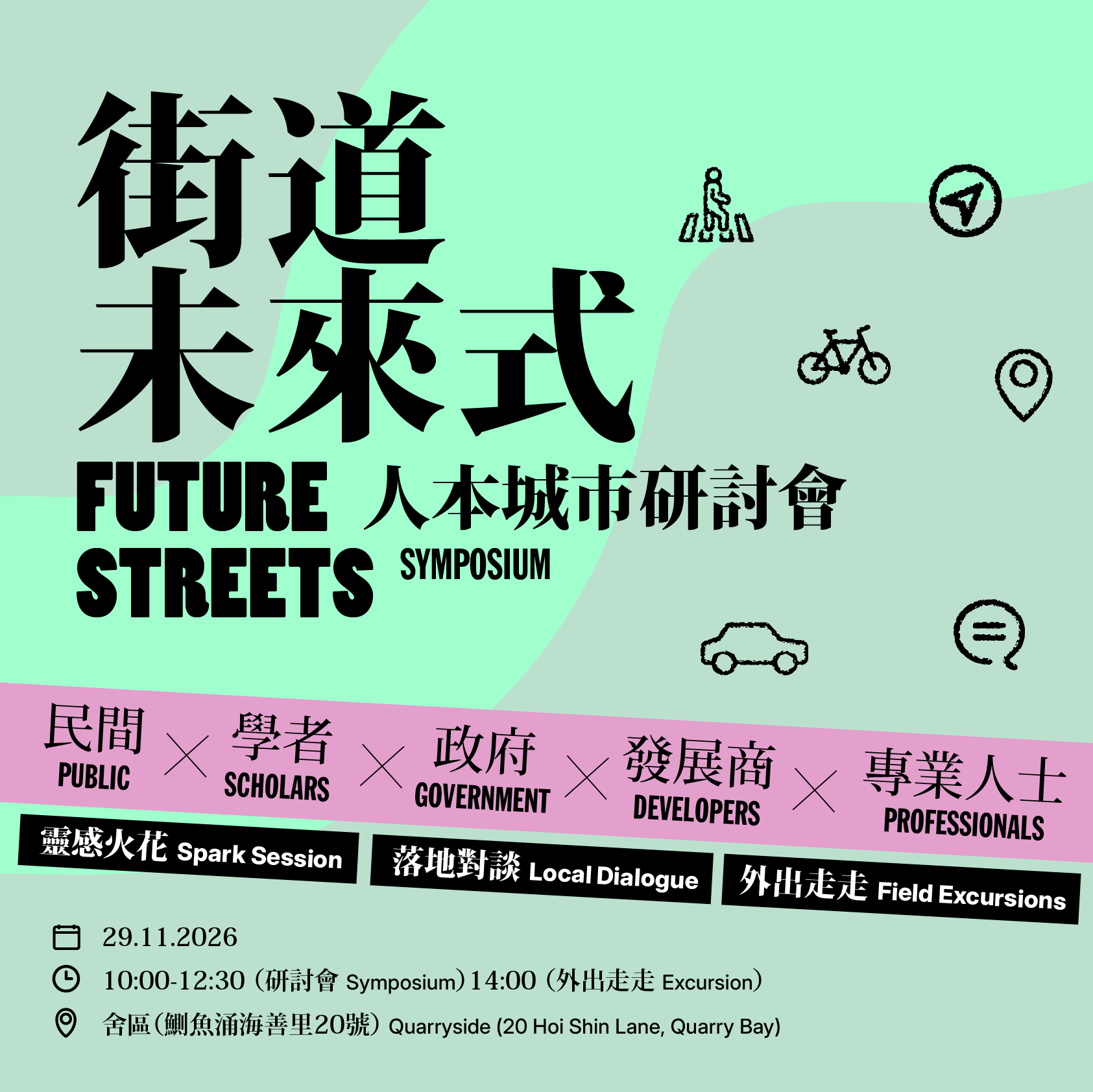
Future Streets is a collective reflection on the future of human-centric cities and transport. Streets are more than infrastructure for getting around — as times change, they carry our public life and weave together the story of how a city grows. Through this symposium, Street Reset brings together policymakers, developers, academics and the professionals who design and plan our streets, to explore how street design can respond to the complex challenges of today's cities.
By taking a fresh look at the streets beneath our feet, we hope to discover a "Future Tense" for streets that belongs to Hong Kong — and, through cross-sector dialogue, uncover possibilities beyond how we usually imagine them. The symposium unfolds across four layers: policy direction, professional and data research, public life and social issues, and the personal experience of walking. From macro to micro, from systems to street corners, we set out to rediscover the ideal path for our city and its people.
Following the symposium, a series of Excursions take participants out of the conference room to experience the city first-hand, exploring street issues and wandering the streets. (→ Jump to Excursions details)
Which street we choose to walk down, whether we stop at a red light, or whether a driver decides to hit the gas—our everyday behaviours and lives are shaped by the urban environment. By viewing urban planning and design through the lens of behavioural science, we can reimagine and gain a new understanding of our streets.
Bringing together the government, business, and civil society sectors, this dialogue intersects strategic planning, cycling mobility, and human-centric street design. It explores how to strike a balance in macro-level urban planning by considering the interplay between design and human behaviour to create a comfortable, effortless, and safe street life.
Walking speeds at pedestrian crossings, foot traffic lingering at street corners—these everyday moments can be transformed into data, serving as another stepping stone to understanding our neighbourhoods and reimagining ideal streets. Let us look at data through a human-centric lens to envision the future of urban planning.
Moving from cold numbers to lived community experiences, how do we translate objective metrics into a "common language" for community needs? What could an urban design system look like when it integrates local needs, human-centric care, transport data, and advanced technology like AI?
With the belief that street life is the ultimate manifestation of urban design, this session examines overseas success cases. How can we integrate human-centric transport, strategic development, and arts and culture, using everyday street life as a starting point to inform government urban planning?
Drawing on perspectives from the government, property developers, and civil society organisations focused on community engagement, this cross-sector dialogue explores the roles of different stakeholders in shaping street life and uncovers diverse ways to engage the public in urban design.
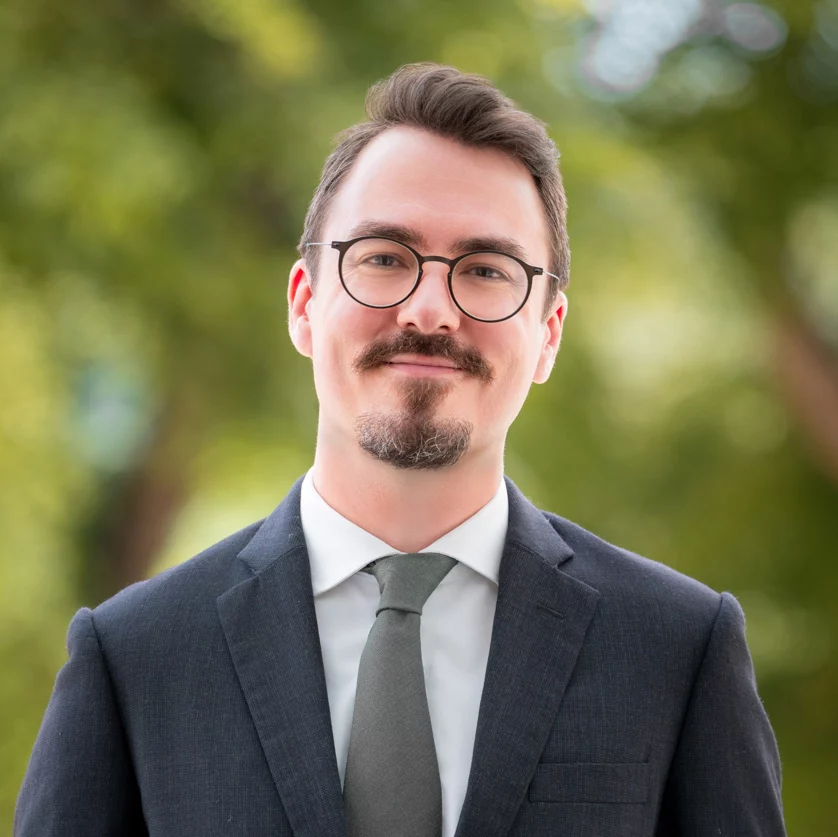
Behavioural Insights Team (BIT) is a global research and innovation consultancy. Alex oversees BIT’s work around the Asia-Pacific region, from Hong Kong to Pakistan. He helped to set up the Singapore office in 2016, and spent several years working in Singapore on health policy and financial behaviours, before increasingly taking on our work overseas. Alex became the Head of International Programs APAC in 2023 and has been leading environmental work in Bhutan, Indonesia and China, COVID-19 projects in Bangladesh and Indonesia, and research on financial regulation in Singapore and Malaysia. His work focuses on choice architecture: how can we create enabling environments to help people make better choices? This approach has covered everything from taxi drivers lunches at the cha chaan teng, to Rohingya refugees washing their hands, to thinking about how we prepare for retirement. Before joining BIT, Alex worked at the Bank of England on big data and regulatory projects – including UK Stress Testing and the SONIA benchmark surveillance – as well as working on Bank of England research around communications with firms. His background is sociology and social anthropology.
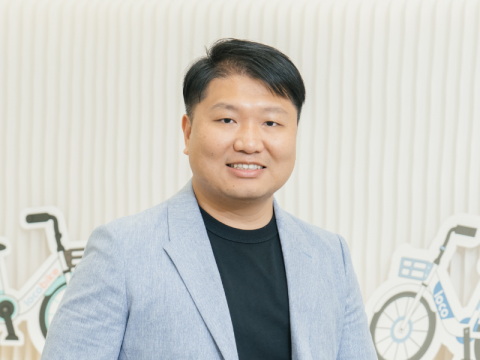
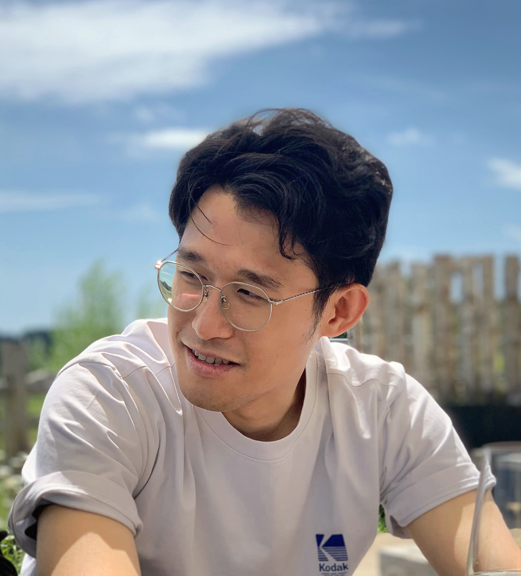
Justin works in transport policy and planning at a public-sector body in London, focusing on strategies to expand cycling infrastructure and improve walking environments. He previously worked at a transport planning consultancy, developing Low Traffic Neighbourhood and cycling and walking infrastructure strategies for several London boroughs. A graduate of University College London (UCL), he is a member of the Chartered Institution of Highways & Transportation (CIHT). In 2020 he founded Street Reset to bring international experience in people-centred transport back to Hong Kong. Through data research and policy advocacy, he led the team in securing Hong Kong's first 30 km/h low-speed zone, which is now being rolled out further, and continues to advocate for safer, more liveable streets.
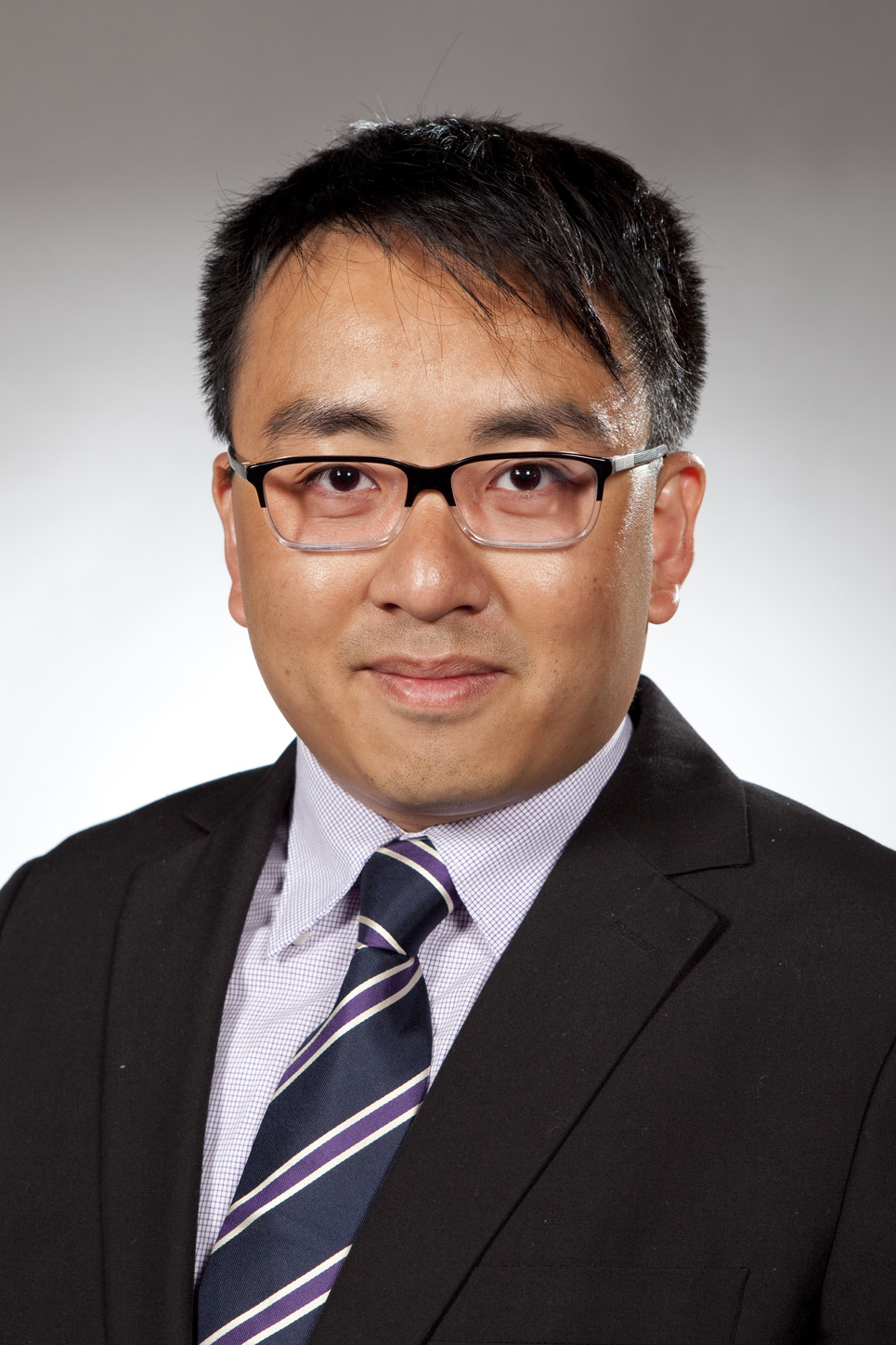
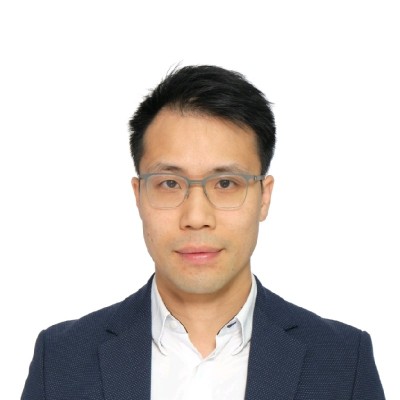
Tony obtained his BEng and PhD from The University of Hong Kong and previously held academic positions at Delft University of Technology (the Netherlands) and the University of Canterbury (New Zealand). Tony specializes in transport safety, human factors, travel behaviour, and transport big data analytics. With over 150 journal publications, his research bridges empirical data science and human-centric planning to foster safer, more liveable street environments. Reflecting his focus on mobility behaviour and safety, he serves as an Associate Editor for both Accident Analysis & Prevention and Travel Behaviour and Society. Committed to translating research into impactful practice, Tony actively advises on transport policy. He serves on the Road Safety Research Committee and the Committee on Taxi Service Quality of the Hong Kong SAR Government and is a committee member of CIHT-HK and HKSTS. His contributions to safety and public well-being have been recognised with the Outstanding Health Promotion Project Award from the Food and Health Bureau, alongside multiple international research awards.
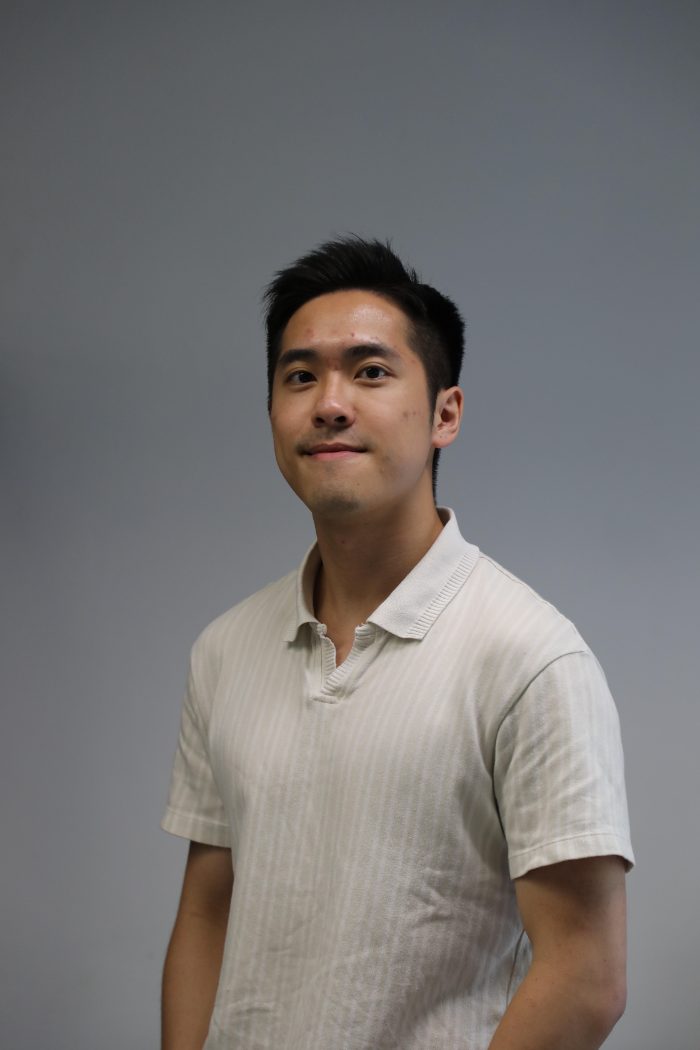
Louis Cheung is Co-Founder and CEO of Decisions Lab, which uses AI to simulate customer responses for market research. Previously an engineer at Microsoft, he was selected for beVisioneers: The Mercedes-Benz Fellowship, supporting environmental innovation. With a background in economics and design thinking from HKU, he is interested in how simulation can help organisations understand stakeholder perspectives and make better decisions.
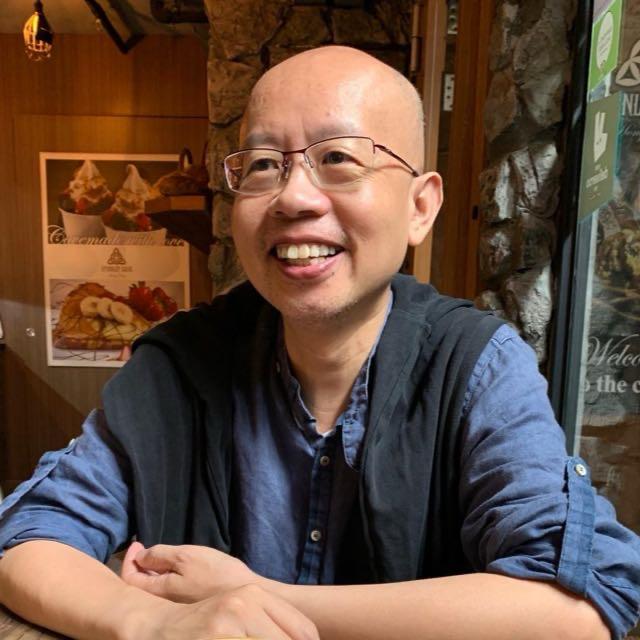
BEng, MPhil, MHKIE, FICE, CEng Certificate of Competency in Road Safety Audit (Highways England / EU) Julian is a distinguished road safety engineering specialist with over 34 years of engineering consultancy experience, including more than 26 years dedicated to road safety engineering in Hong Kong, mainland China and internationally. As an international consultant to the United Nations Economic and Social Commission for Asia and the Pacific (UNESCAP), he contributed to the development of road infrastructure safety standards and engineering guidelines for the Asian Highway Network, spanning 32 countries. Throughout his career, Julian has led over 110 road safety audits covering major expressways, tunnels, cross-boundary facilities and other complex transport infrastructure projects. He has also advised on road safety policies, engineering guidelines and professional training for government authorities and international development organisations. A strong advocate of the Safe System Approach, Julian is committed to advancing safer, more inclusive and sustainable road environments through evidence-based engineering, international best practices and forward-thinking infrastructure design.
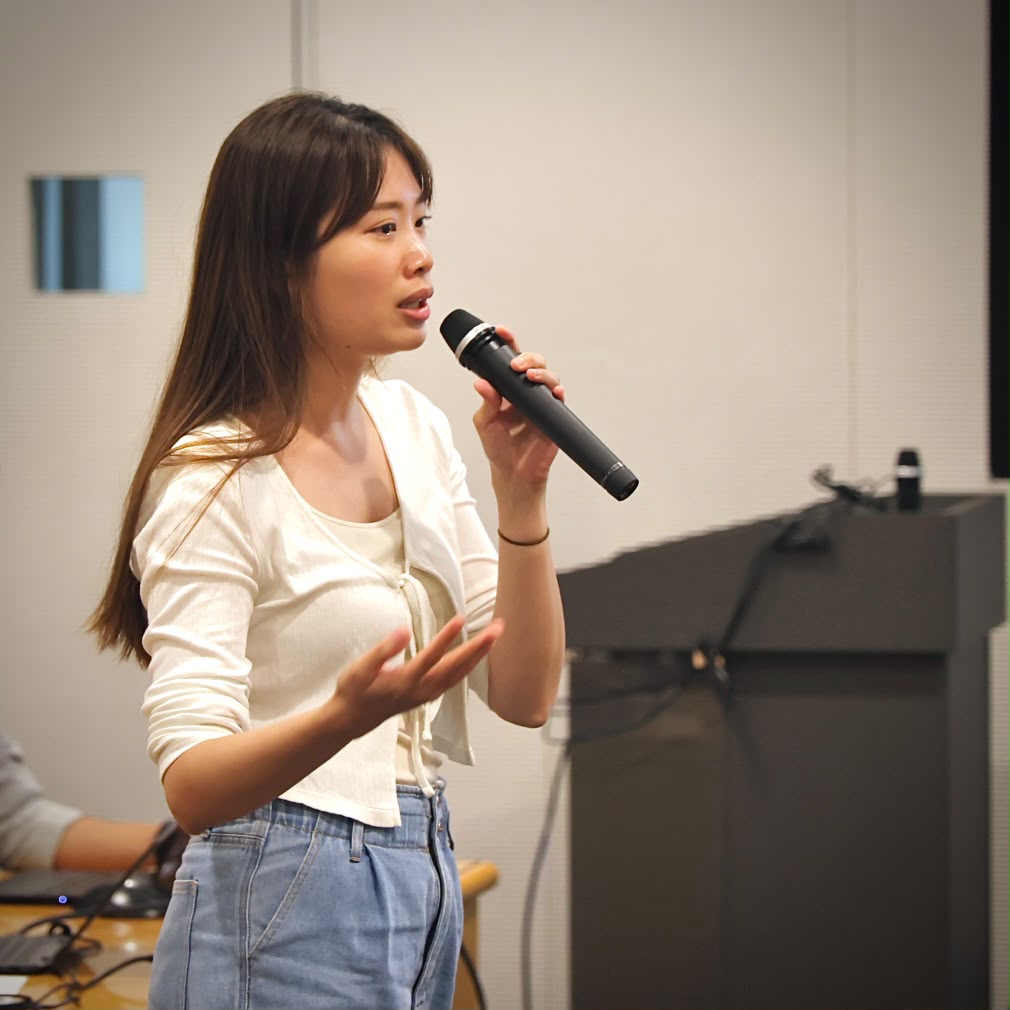
Member of the Royal Town Planning Institute (RTPI). Graduated from the University of Hong Kong and University College London (UCL), Moonfier had worked at AECOM Hong Kong, Nikken Sekkei, and MUJI's Spatial Design Department, accumulating multi-scale design expertise ranging from macro planning to detailed spatial experiences. She is currently working as a designer at a Japanese landscape startup and serving as a part-time lecturer in the Department of Urban Planning and Design at the University of Hong Kong. She hopes to start from "people" and respond to human needs in her design, and enhance the value of spaces, create livable environments closer to daily life, and generate long-term value for communities and cities.
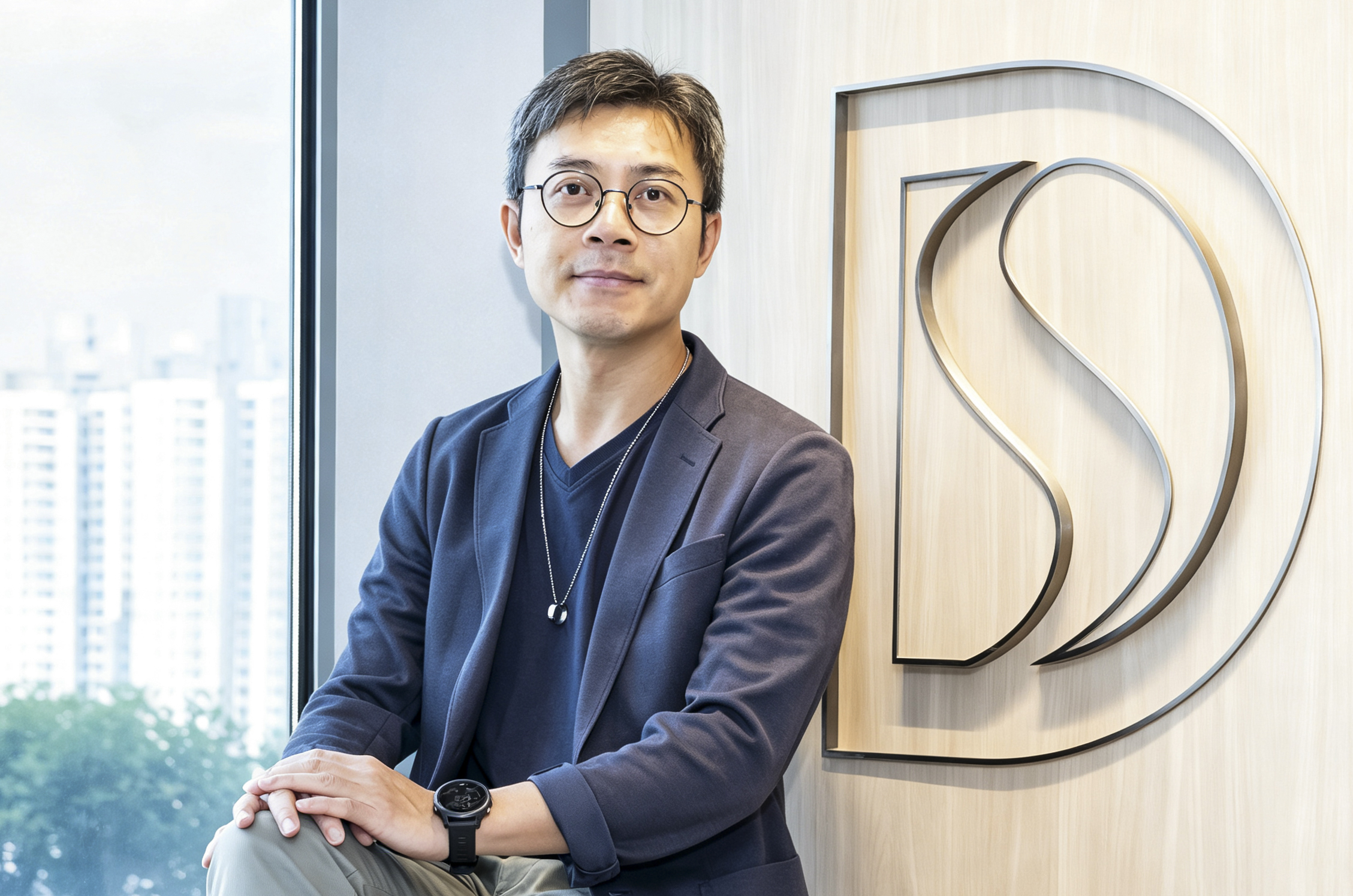
Graduated from the Hong Kong University of Science and Technology (HKUST) majoring in Civil and Structural Engineering, joined the Drainage Services Department (DSD) of the HKSAR Government in 2012 and currently serves as Senior Engineer. His major project portfolio includes the Inter-reservoirs Transfer Scheme connecting the Kowloon Byewash Reservoir and the Lower Shing Mun Reservoir, and the Kwun Tong Promenade Stormwater Storage Scheme. He was also responsible for the landmark - Revitalization of Tsui Ping River in Kwun Tong. Previously known as the King Yip Street nullah, this channel sits in the heart of Kwun Tong District, abutting the local business and residential areas. To complement the Energizing Kowloon East Initiative, Mr. Wan oversaw the comprehensive transformation of the 1km-long nullah into a unique river. The project upgraded its hydraulic capacity alongside extensive environmental, ecological, and landscaping enhancements. Under his management, the scheme also created new space for public enjoyment and enhanced connectivity with the pedestrian network, and added vibrant urban diversity to the Kwun Tong District.
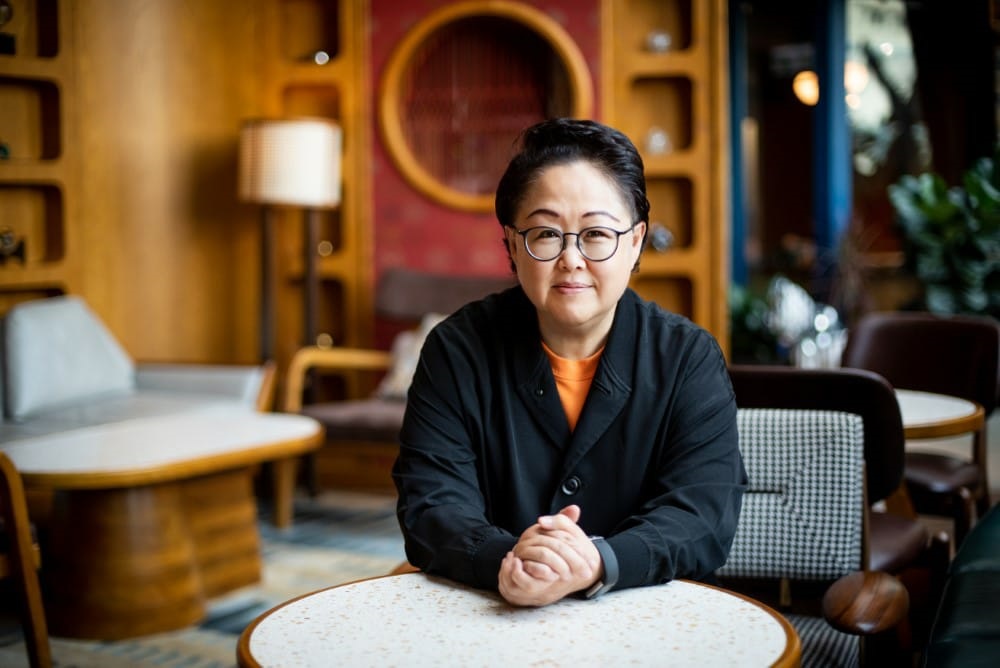
Ada has led a varied career as solicitor, creative educator, cultural entrepreneur, social innovator, civil society advocate and local politician. She has set up and run many non-profit institutions in the education, culture, creativity and social innovation fields in the past 20 years. She founded Hong Kong Institute of Contemporary Culture (HKICC) to advocate education innovation in 1998. Since 2006, HKICC founded the HKICC Lee Shau Kee School of Creativity, a unique senior secondary school dedicated to nurturing talents for arts and cultural innovation, and Ada is the school's Supervisor. In 2010, she co-founded the Make A Difference (MaD) initiative, a creativity for good platform for young changemakers in Asia. In the last ten years, MaD has undertaken projects at the intersection of creativity and urban/social challenges, incubated social startups, and has worked with cross sector changemakers to come up with bottom-up innovative solutions. In 2012 Ada founded The Good Lab, a social innovation co-working space and hub, which later became a do tank and innovation consultancy to enable tri-sector collaborations for positive changes in society. Since 2016, in her capacity as a Director of Ednovators, Ada designed and led the Innopower Teacher Fellowship, a programme to build the innovation capacity of teachers in Hong Kong. Ada was an elected member of the Urban Council and Wan Chai District Council between 1995 and 2008 with the last four years as Chairperson of the Wan Chai District Council. She received her BA (Hons) from Pomona College, California USA, and M Ed from the University of Hong Kong. She is an Honorary Fellow of Lingnan University, Hong Kong Education University and the Hong Kong Baptist University.
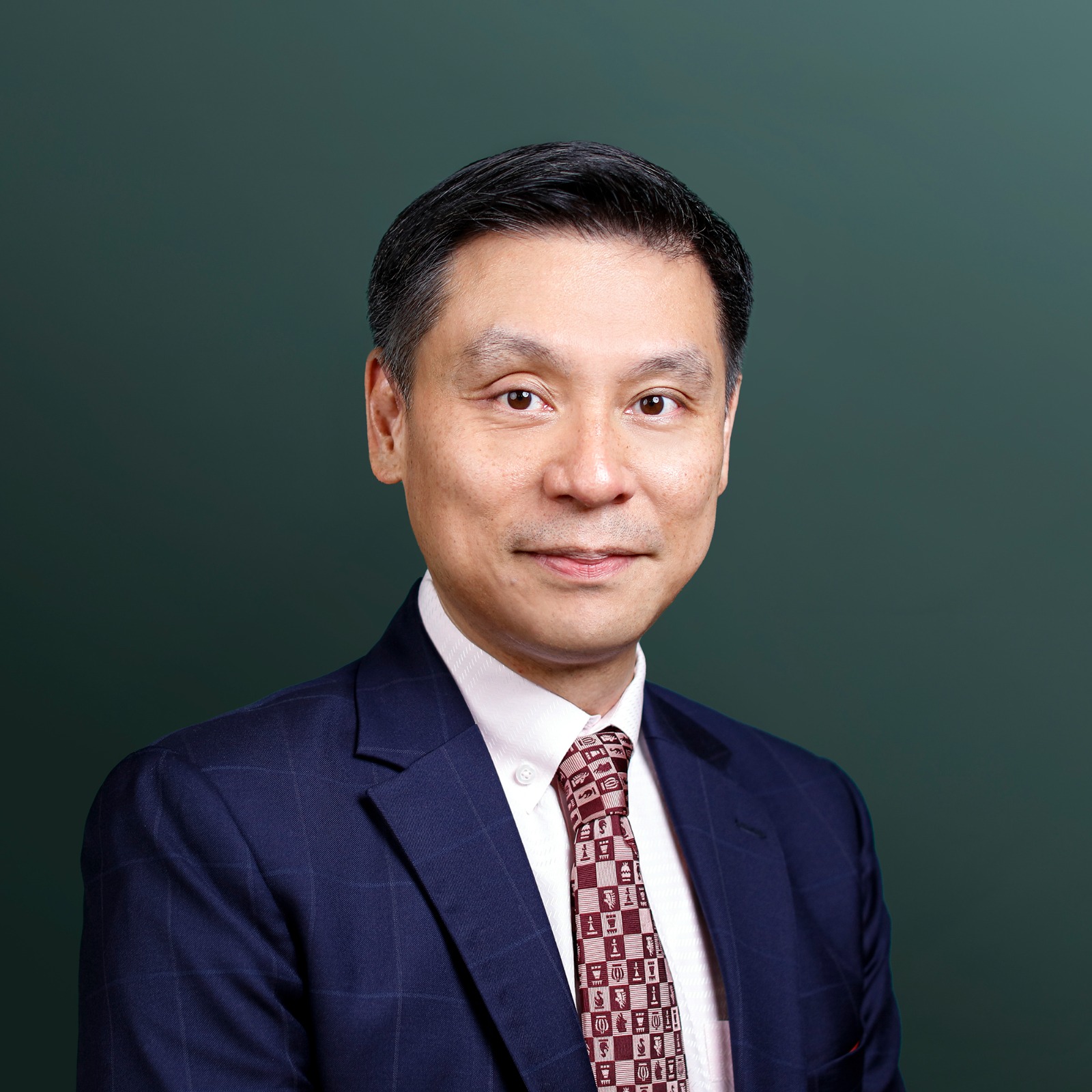
Andy joined Swire Properties in May 2026 as Deputy Director, Public Affairs. In his current role, he is responsible for the Company’s corporate communications, encompassing external and internal communications and social media, as well as government relations. He also oversees the Company’s social investment strategy. Prior to joining Swire Properties, Andy was General Manager, Corporate Affairs at Cathay Group. During more than 20 years with Cathay Group, he held a number of senior management positions in Hong Kong and was stationed overseas in Asia and Europe, with experience spanning service delivery, airline operations, corporate communications and corporate social responsibility.
Following the symposium, a series of field excursions take participants out of the conference room to experience the city first-hand, exploring street issues and wandering the streets.
Most excursions run on the afternoon of Sun 29 Nov; the East Coast Boardwalk Cycling Tour takes place the day before, on Sat 28 Nov — please note the date.
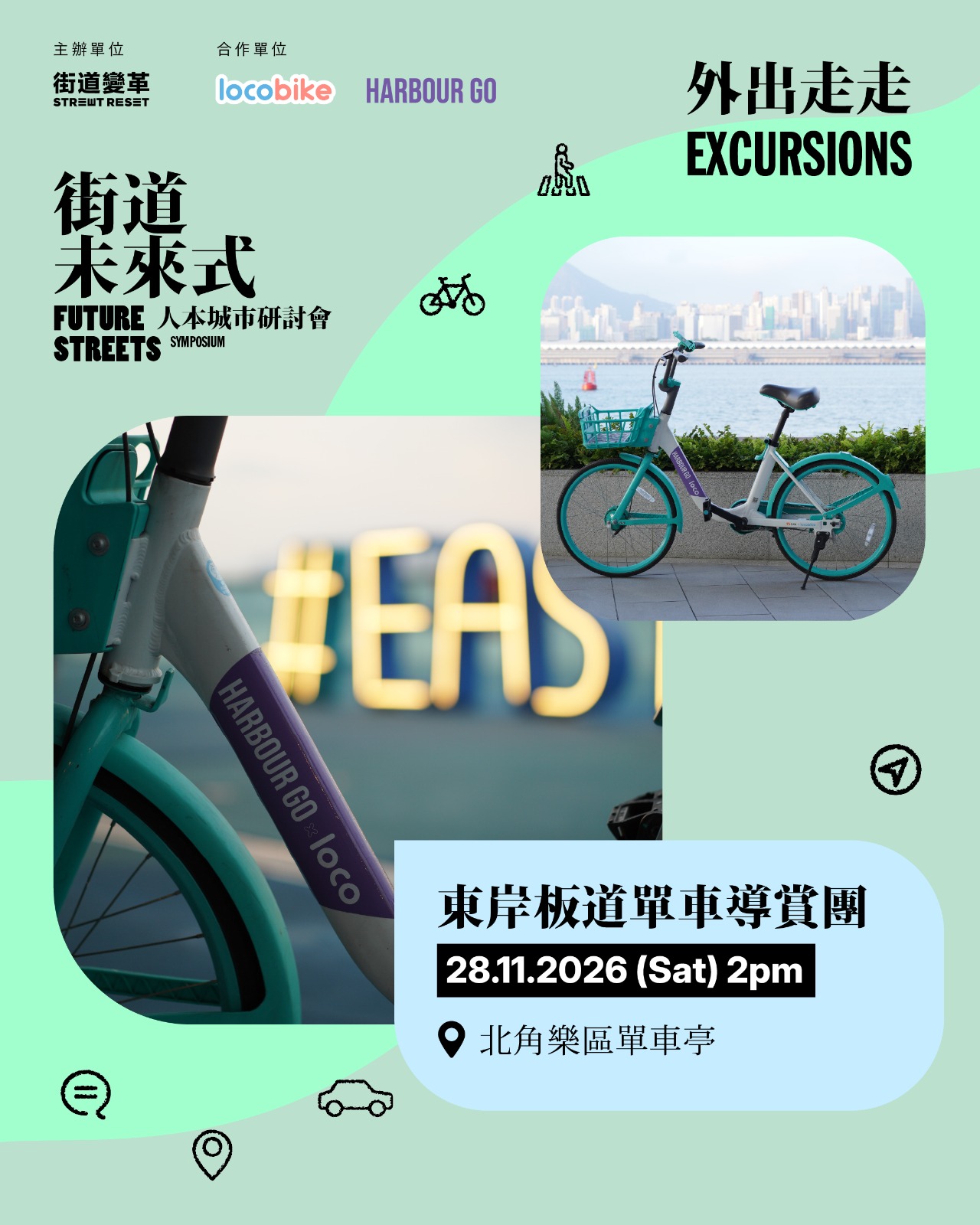
Setting off from the LocoBike kiosk in North Point, we ride along the East Coast Boardwalk's shared cycle track to Golden Bauhinia Square and back — about 15 km, roughly 2 hours return. Before we set off there's a roll call, a test ride and a briefing on safety and how the shared track works. Along the way we'll stop for LocoBike to share the operational stories behind bike sharing; after photos at Harbourfront Station and Golden Bauhinia Square, we cruise back to North Point for bike return and a group photo.
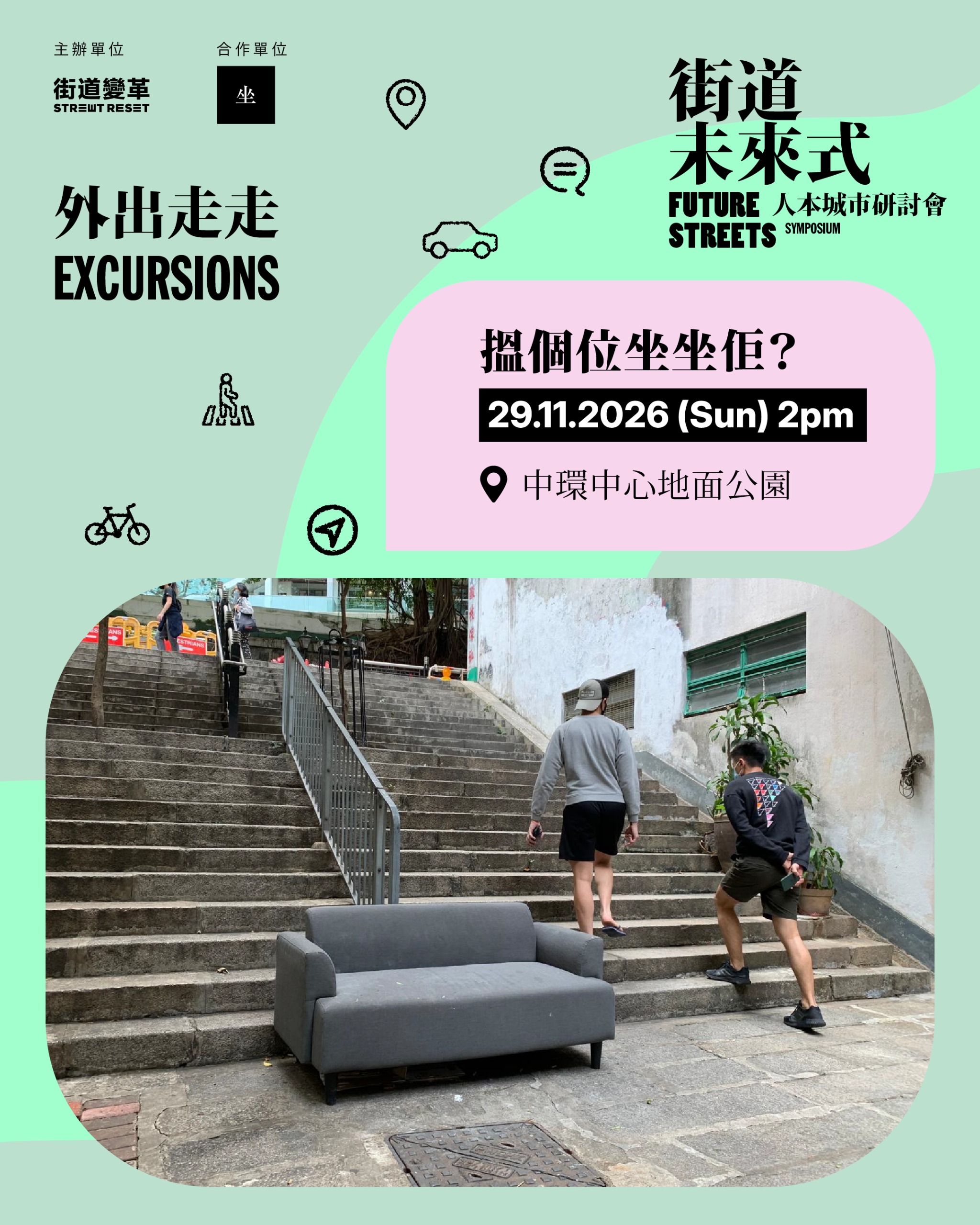
Welcome to Hong Kong — a city of around seven million players. You are one of them: "one in seven million". Today you'll enter Central and Sheung Wan in different roles: an office worker in a rush, a parent with young children, a tourist with tired feet, a worker hoping to rest after lunch, or a neighbour who just wants a quiet pause. Your mission is to find public spaces between busy streets and community corners where you can genuinely sit down. But a bench alone isn't enough to complete the mission. What does it take for a public space to become a community resource everyone can use? Grab A Seat will lead players through the streets and lanes of Central and Sheung Wan to discover the city's best places to sit. Once the mission is complete, we'll reflect together: in a city of seven million, what kind of public space makes every "one in seven million" want to stop and grab a seat?
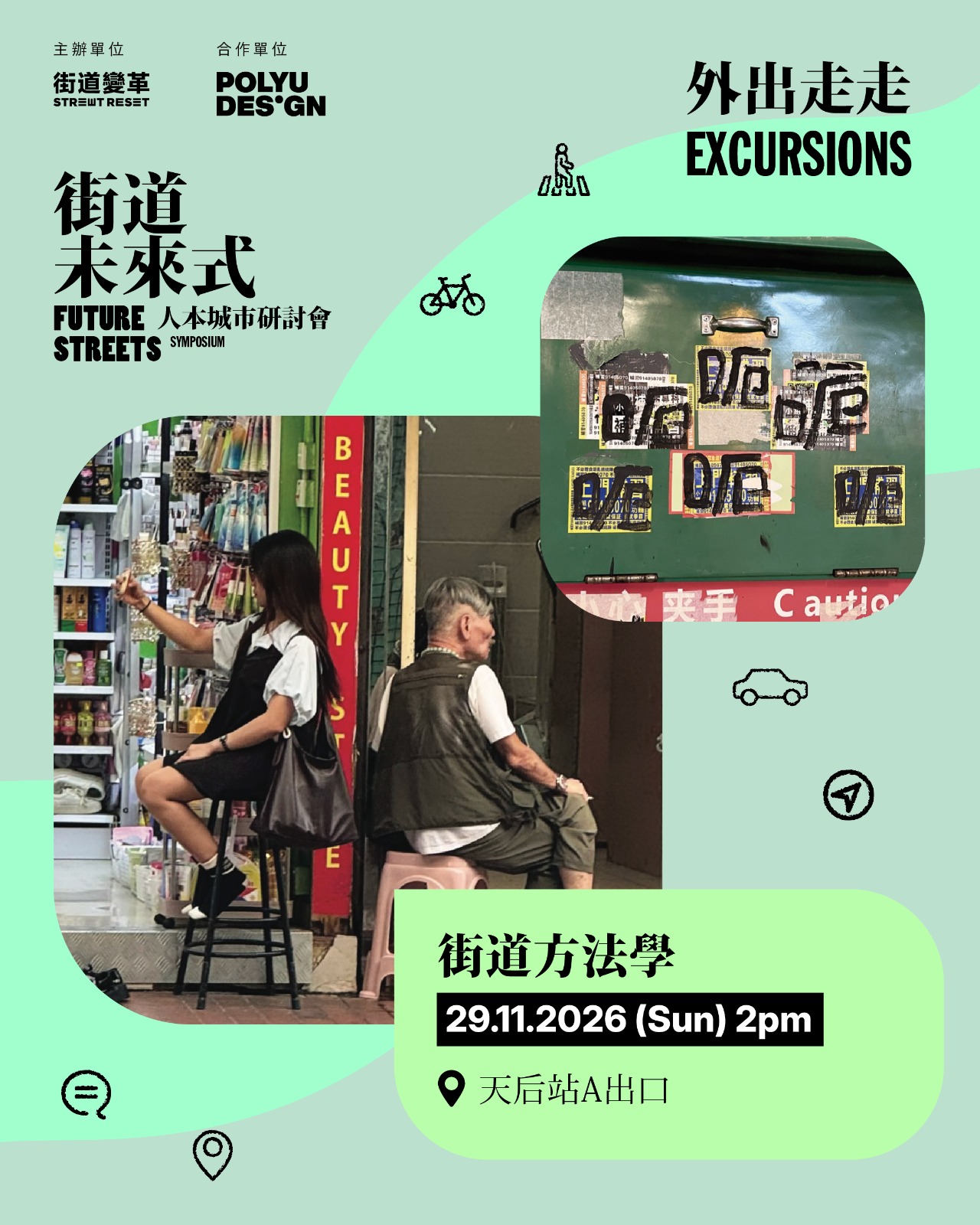
Road researchers are used to observing, analysing and planning; street lovers prefer to wander, record and tell stories. However deeply we immerse ourselves in street life, most of the time the street remains a passive object: sometimes a problem to be solved, sometimes something to be tended or dressed up, sometimes a cultural landscape to be enjoyed or consumed. Yet before we became street users — or even experts — we were all kids raised by certain streets. We invite you to practise imagining together: could the streets we walk and rush along day and night also be places where each of us relearns life skills? Could the street become a living textbook of systems thinking — or even a master who teaches us to listen humbly to others and boldly intervene in the everyday?
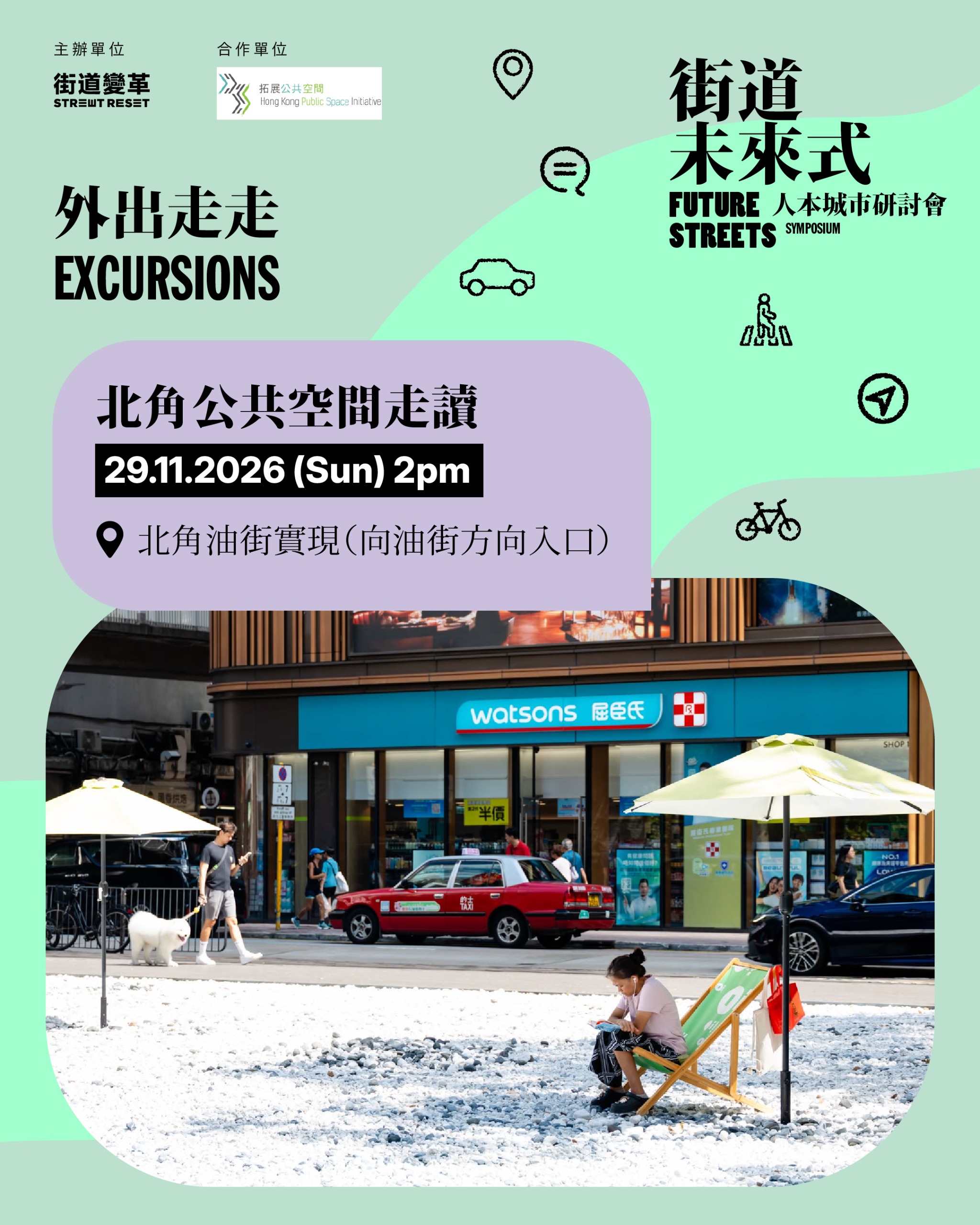
What does "public space" look like to you? A newly opened harbourfront promenade, or a small corner tucked away on a street, quietly taking shape on its own? Wander North Point's streets big and small and you'll find that residents have long been resourceful, finding their own "breathing room" and public spaces in the gaps between dense buildings. HKPSI will lead us through North Point, walking and listening as we use our five senses to record the many forms public space takes. At each stop we'll pause for a short sharing, and invite you to note your most vivid sensory impressions in the moment, collecting memories of public space.
Places are limited — register now on art-mate.
Register on art-mate